
More and more seniors are choosing to age in place — staying in the homes they love rather than moving into assisted living. With the right modifications, this is not only possible, but safer and more comfortable than many people realize.
The key is knowing which upgrades actually matter and which ones are unnecessary.
Why Aging in Place Requires Planning
As we age, balance, vision, and mobility naturally change. Most homes, however, were not designed with these changes in mind. Slips, falls, and accessibility challenges often happen not because a home is unsafe — but because it hasn’t been adapted.
Thoughtful modifications reduce risk while preserving dignity and independence.
High-Impact Home Modifications for Seniors
Bathroom Safety Upgrades
Bathrooms are the most common place for household falls.
Effective improvements include:
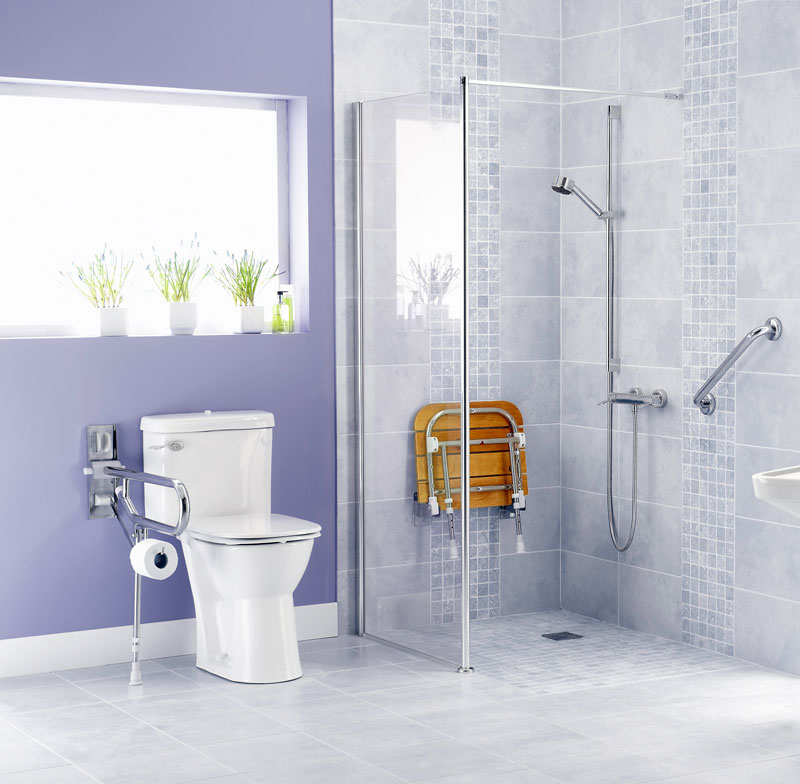
- Walk-in or low-threshold showers
- Tub-to-shower conversions
- Secure grab bars (professionally anchored)
- Non-slip flooring
- Comfort-height toilets
These upgrades dramatically reduce fall risk without making a home feel “clinical.”
Flooring & Trip Hazard Reduction
Small changes make a big difference:
- Removing loose rugs
- Repairing uneven transitions
- Installing slip-resistant flooring
- Improving lighting in hallways and stairwells
Lighting Improvements
Good lighting improves safety and confidence.
- Brighter, glare-free fixtures
- Motion-activated lighting
- Improved stair and entryway visibility
Start Small, Plan Smart
Aging in place doesn’t require a full remodel. Many seniors begin with one or two key projects and expand over time as needs change.
The most important step is working with a contractor who understands both construction and senior safety.
If you’re planning ahead or caring for a loved one
We can help you evaluate your home and recommend practical, budget-conscious improvements.
Schedule a consultation to discuss aging-in-place options for your home.